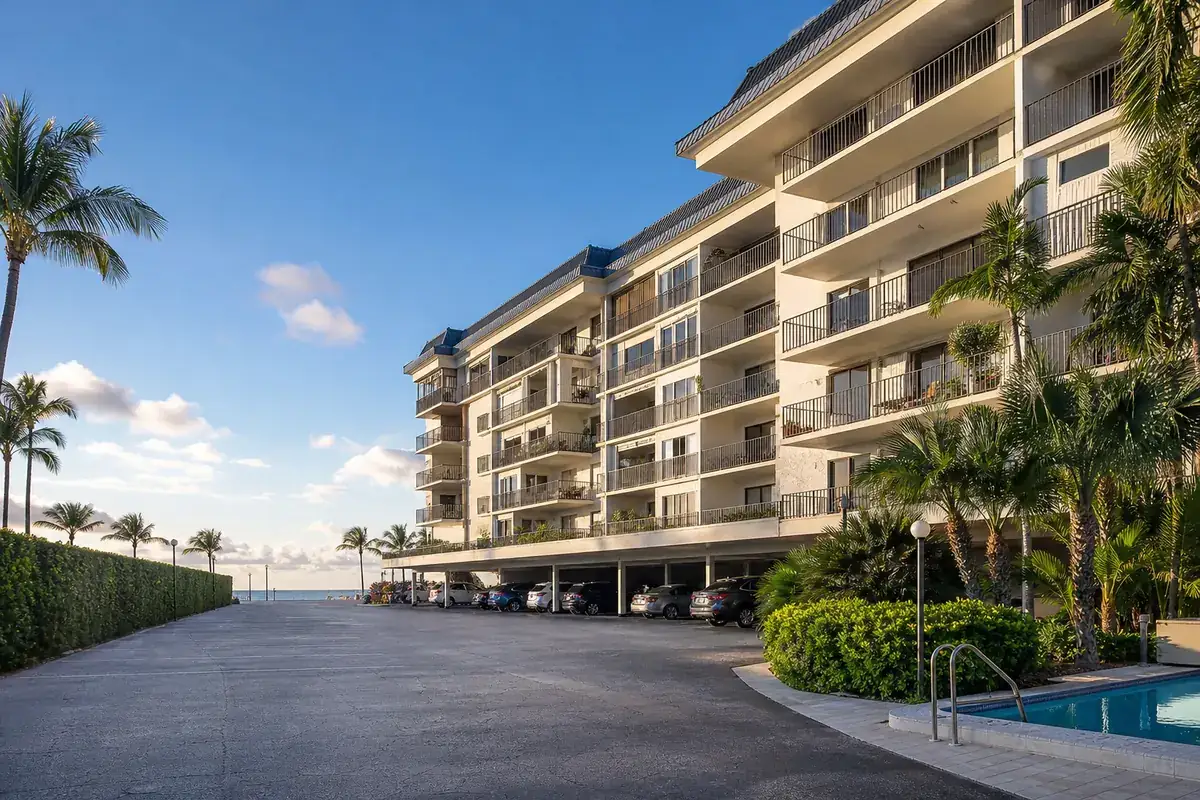
Condo Coverage Help
Condo Insurance in West Palm Beach, FL
Start with a unit policy review.
What Condo Owners Miss
A common mistake is thinking the condo association policy covers your whole unit. Around West Palm Beach, that misunderstanding can leave a big gap. Storm season, wind-driven rain, parking decks, elevators, and high-rise shared systems all change how condo claims often work. If your building is near the Intracoastal, close to downtown, or along routes like Okeechobee Blvd, Southern Blvd, or Flagler Dr, your insurance questions may be different from those of a single-family home owner. The short answer is that most condo owners usually need their own unit policy to cover what the master policy may leave to them.
Another mix-up is assuming every condo policy covers flood or every association policy covers upgrades inside the unit. That is often not the case. In West Palm Beach, from the island side across the bridges to Palm Beach to buildings near Rosemary Square, Clematis St, and the Brightline station, unit details matter. We help you sort out where the association policy may stop and where your own coverage may begin. A licensed agent follows up so you can review the building setup, your unit features, and how you use the property.
Condo Insurance Across Palm Beach County and Nearby
- West Palm Beach, FL
- Palm Beach, FL
- Lake Worth Beach, FL
- Palm Beach Gardens, FL
- Jupiter, FL
- Royal Palm Beach, FL
- Wellington, FL
- Greenacres, FL
- Riviera Beach, FL
- Lantana, FL
- Boynton Beach, FL
- Palm Springs, FL
- Lake Park, FL
- North Palm Beach, FL
- Juno Beach, FL
- Palm Beach Shores, FL
- Haverhill, FL
- Loxahatchee, FL
- The Acreage, FL
- Delray Beach, FL
- Atlantis, FL

What a Unit Policy Does
Condo insurance is usually built around the part of the property you own and use. The key question is where the association master policy ends. Your unit policy may help with interior items, your belongings, liability, and temporary living costs after a covered loss, depending on the policy terms and endorsements you choose.
Association Policy Vs. Your Unit
The first thing to check is the association master policy. Some master policies may cover more of the unit than others. Some may stop at bare walls. Others may include a portion of original fixtures. Your own condo policy is generally the walls-in layer. It may cover items inside the unit that you are responsible for, but the answer depends on the association documents and the policy wording.
Interior Improvements
If you updated flooring, cabinets, counters, lighting, or built-in features, those improvements may need to be insured under your unit policy. This matters in West Palm Beach buildings where units have been remodeled over time, especially older condos and seasonal units that changed hands more than once. After a covered loss, the question is often whether the damaged item belonged under the master policy or under your own policy.
Personal Property
Your furniture, clothing, electronics, kitchen items, and other belongings are usually your responsibility, not the association's. That can matter after water damage, smoke, theft, or other covered events. If the unit is used seasonally, make sure the policy reflects that use. If the condo is sometimes occupied by others, those details should be reviewed before a claim happens so there are fewer surprises later.
Liability and Guest Injuries
Condo insurance may include personal liability coverage if someone is hurt in your unit or if you accidentally cause damage that affects another unit. In a shared building, one incident can spread beyond your walls. A leak, kitchen fire, or balcony issue may affect neighbors below or next door. Liability terms vary, so it helps to review how your policy may respond and where higher limits may make sense.
Loss Assessment
Associations may sometimes assess unit owners after certain covered events or liability situations, depending on the governing documents and the association's own insurance. Loss assessment coverage may help in some of those cases, subject to policy terms. This part of condo coverage is easy to miss, yet it can be important in larger communities, high-rises, and buildings with shared roofs, elevators, halls, garages, pools, and other common elements.
Loss of Use
If a covered loss makes your unit unlivable, your policy may help with extra living expenses for a temporary place to stay. In West Palm Beach, that can matter after an afternoon storm, interior water damage, or a building event that limits access. If the condo is your main home, this coverage may be especially important. If it is seasonal, you still want to understand how the policy treats temporary relocation and timing.
Flood and Hurricane Deductibles
Flood is generally handled by a separate policy, so condo owners should not assume it is included in the unit policy. Hurricane deductibles also deserve close attention. In a coastal county with frequent storms, the deductible structure may affect how much you would pay out of pocket after a covered wind event. Buildings near the Intracoastal, on the island side, or in low-lying areas often need a careful review of wind and flood exposure.
Why Choose Us for Condo Insurance?
Local Condo Focus
West Palm Beach condo questions are different from house questions. We write for this area and start with the issues owners actually face here, including seasonal traffic, storm exposure, shared structures, and the gap between a master policy and a unit policy.
Clear Policy Guidance
We explain the parts that often cause confusion. That includes walls-in responsibility, upgrades, flood, loss assessment, rented-out use, and how a high-rise may differ from a garden-style community. We keep the language direct so you can make an informed choice.
Licensed Agent Follow-Up
You are not left with general information alone. After you reach out, a licensed agent follows up to review your situation, answer coverage questions, and help compare options based on the unit, the association setup, and how the condo is occupied.
How to Review It
Gather Building Papers
Start with the association documents, insurance summary, and any rules about owner responsibility. The answers to most condo coverage questions begin there, especially for walls-in items, common elements, and assessment exposure.
List Unit Upgrades
Make a simple list of flooring, cabinets, counters, lighting, appliances, and custom work inside the unit. Those details help show what may need protection under your own policy if the master policy does not pick it up.
Review How You Use It
Tell us whether the condo is your main home, a seasonal unit, or sometimes rented out. Usage affects which policy setup may fit and helps avoid gaps that can appear when occupancy changes over time.
Check Wind and Flood
Look at hurricane deductibles, building storm exposure, and whether flood should be handled separately. In West Palm Beach, this is too important to leave as an assumption, especially near the Intracoastal or bridge routes toward Palm Beach.
Compare the Final Options
A licensed agent follows up to go over the choices in plain language. We help you compare limits, deductibles, liability, loss assessment, and property coverage so the policy better matches the condo and the way you use it.
Check Florida Rules
For official Florida requirements and consumer information, check the Florida Department of Highway Safety and Motor Vehicles and the Florida Department of Financial Services consumer helpline. Those sources can help with state guidance and general insurance questions. For condo coverage, you should also read your association documents and the master policy summary closely. West Palm Beach condo insurance decisions often come down to what the building documents assign to the association and what they assign to you as the unit owner.

What Affects Condo Cost
A common misconception is that condo insurance cost is mainly about square footage. In West Palm Beach, the bigger driver is often the coverage setup. Premium can change based on how much of the unit you insure, the value of interior improvements, whether the condo is your main home or a seasonal place, and how the association master policy is written. A high-rise and a garden-style building can also be viewed differently because building systems, shared spaces, and claim patterns may differ.
Deductible choices, coverage limits, loss assessment coverage, liability limits, and added protection for personal property can move the premium up or down. Flood is separate and should be reviewed on its own. The building location may matter too, including exposure to storms and water near the Intracoastal or along busy corridors tied to evacuation and traffic patterns such as I-95, Southern Blvd, Belvedere Rd, and the bridges to Palm Beach. If the unit is rented out at times, that often affects how it should be insured.
Condo Insurance Questions We Hear
Does the condo association policy cover everything inside my unit?
Usually no. The association master policy often covers shared building property, but your responsibility inside the unit may be much broader than you expect. Fixtures, upgrades, flooring, cabinets, and personal belongings may fall to you. The exact split depends on the association documents and the master policy wording, so both should be reviewed before choosing your unit policy.
Do I need flood insurance for a condo in West Palm Beach?
Many condo owners should at least review it closely. Flood is generally a separate policy, so it should not be assumed to be part of your condo policy. In Palm Beach County, proximity to water, ground-floor exposures, parking areas, and storm conditions can all matter. Even in taller buildings, flood questions can come up through building access, shared areas, and lower-level systems.
What does walls-in mean for condo insurance?
Walls-in usually refers to the part of the unit that the owner may need to insure under a condo policy. That can include interior surfaces, attached fixtures, built-ins, and improvements, depending on the association documents. It is a shorthand, not a full legal definition. The only safe approach is to compare your unit policy with the master policy and bylaws.
If I rent out my condo part of the year, can I keep a standard unit-owner policy?
Maybe, but that use should always be disclosed. A condo used seasonally by you may be treated differently from a condo that is rented to others for part of the year. The coverage form, liability setup, and property protection may need to match that occupancy. This is one of the most important details to discuss before coverage is put in place.
Are hurricane losses and water losses covered the same way?
Often no. Wind-related damage and flood are usually handled differently, and your deductible may also differ for hurricane claims. A condo policy may cover certain water damage situations, but flood is generally separate. In West Palm Beach, where afternoon storms are common and hurricane season is a real concern, it helps to review each source of loss one by one instead of assuming they all fit together.
Contact Us Today for a Free Estimate
Ready to review condo insurance for your West Palm Beach vehicle or property? Tell us what you have and we will follow up.
Free, no obligation